Commutative and Homological Algebra Market Presentations
showcasing early-career commutative algebraists
The main goal of CHAMPS is to give graduate students and other early career researchers on the academic job market a platform to showcase their research. CHAMPS started as a weekly virtual seminar in Fall 2020, created by Eloísa Grifo and Keri Sather-Wagstaff and based on an idea by Keri and Hugh Geller. In the first two years we had weekly seminars. Since Fall 2022, we profile early-career researchers on our website and release elevator pitch videos on our YouTube channel.
CHAMPs from previous years: 2025-2026 profiles, 2024-2025 profiles, 2023-2024 profiles, 2022-2023 profiles, 2021-2022, and 2020-2021.
All past videos can be found on our YouTube channel.
CHAMPs from previous years: 2025-2026 profiles, 2024-2025 profiles, 2023-2024 profiles, 2022-2023 profiles, 2021-2022, and 2020-2021.
All past videos can be found on our YouTube channel.
If you are an early-career researcher in commutative algebra or a related field and would like to be profiled at CHAMPS, please contact us.
Graduate students on the 2026/2027 academic job market: Manav Batavia, Anne Fayolle, Dorian Kalir, Sara Mueller Kory Pollicove
Postgrads on the 2026/2027 academic job market: Anna Brosowsky John Cobb Sean Grate Jake Kettinger Seungsu Lee Alexandra (Sasha) Pevzner Olivia Strahan
Profiles of graduate students on the 2025-2026 academic job market
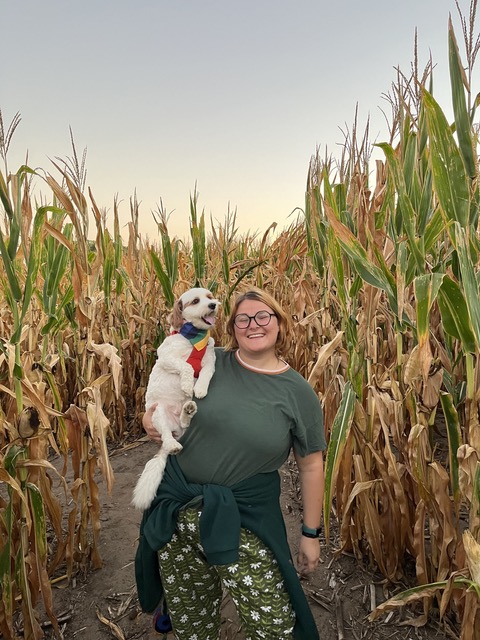
Sara Mueller is a sixth-year Ph.D. student at the University of Nebraska-Lincoln, advised by Tom Marley. Her research focuses in homological algebra, specifically in homological dimension theory. In particular, she studies the Cohen-Macaulayness of modules with finite G- and CI- dimensions. Sara has served as the instructor of record for a wide variety of courses, from Intermediate and College Algebra to an Introduction to Proofs course. She loves sharing her passion for mathematics with undergraduate students through teaching, leading undergraduate research projects, and mentorship in AWM.
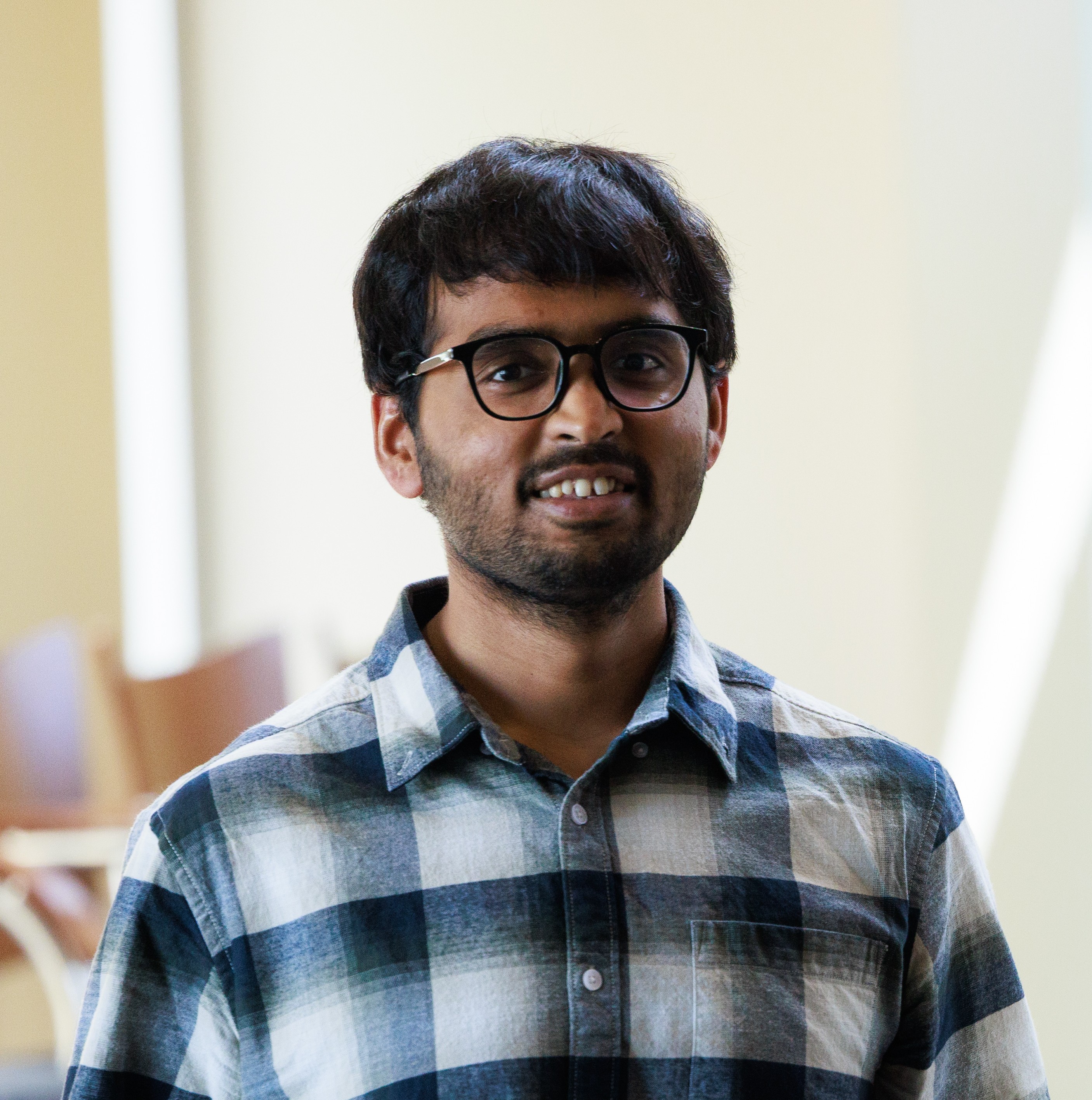
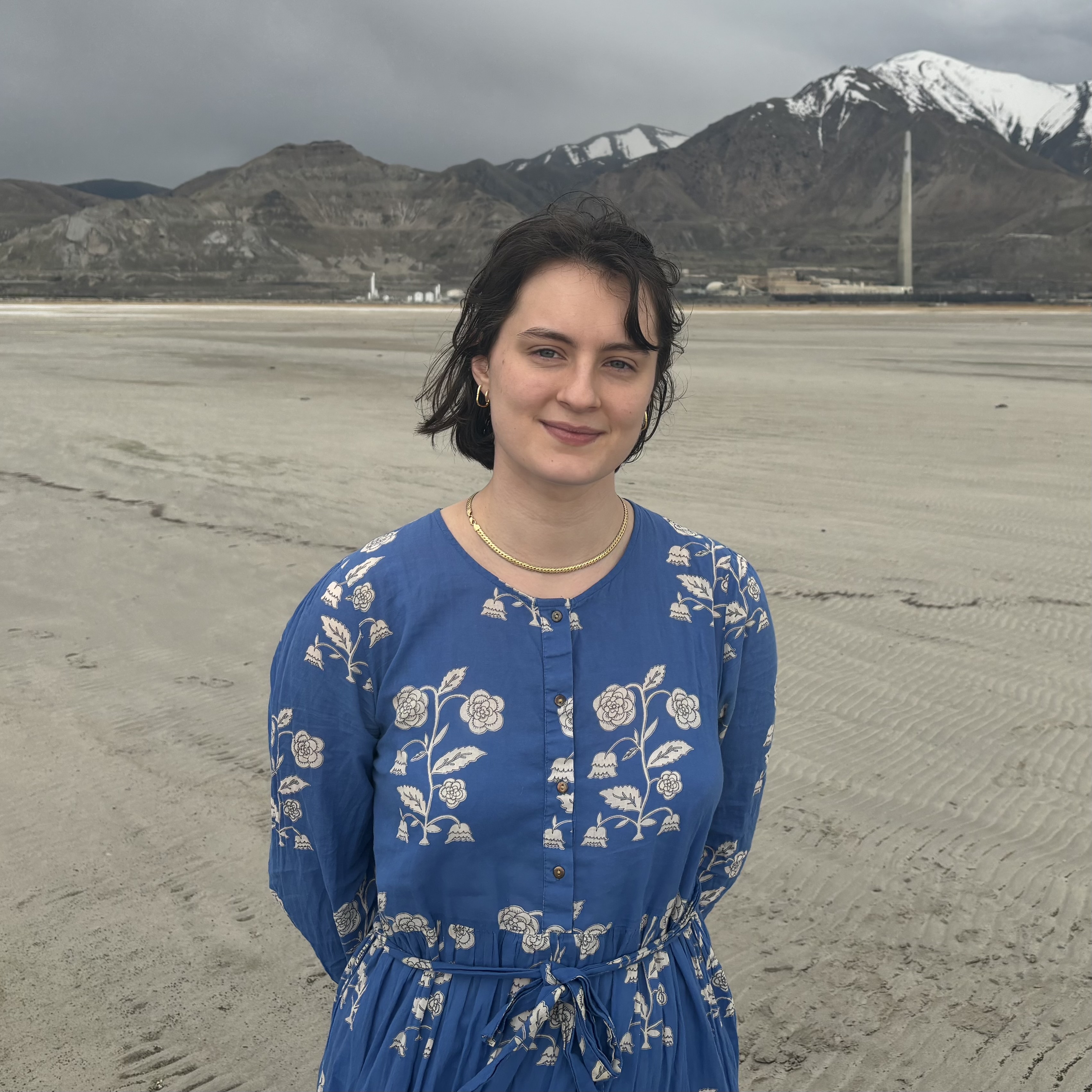
Anne Fayolle is a fifth-year Ph.D. student at the University of Utah, advised by Karl Schwede. Her research focuses on singularities, with an emphasis on methods in positive and mixed characteristic. She has used perfectoid rings to introduce a mixed-characteristic analogue of log canonical centers and centers of F-purity, and she is currently interested in developing a more general theory of perfectoid purity. In positive characteristic, she has studied the behavior of singularities under finite covers by relating them to tame ramification. She is now exploring applications of these ideas to the study of foliations in positive characteristic.
Anne also really enjoys teaching and has taught a wide range of courses, from foundational introductory classes through calculus.

Kory Pollicove is a 6th year PhD student at Syracuse University, advised by Josh Pollitz. Kory works in homological algebra with a focus on structures on free resolutions (such as DG and A-infinity), Koszul duality, and cohomological operations. In particular, he is interested in using the techniques of Koszul duality to construct universal resolutions and systems of higher homotopies in settings that are not Koszul in the classical sense. Kory is also a devoted educator, passionate about conveying the wonder of mathematics to his students through active discussion and group work, and has mentoring experience through a directed reading program. He currently co-organizes a graduate-level learning seminar.
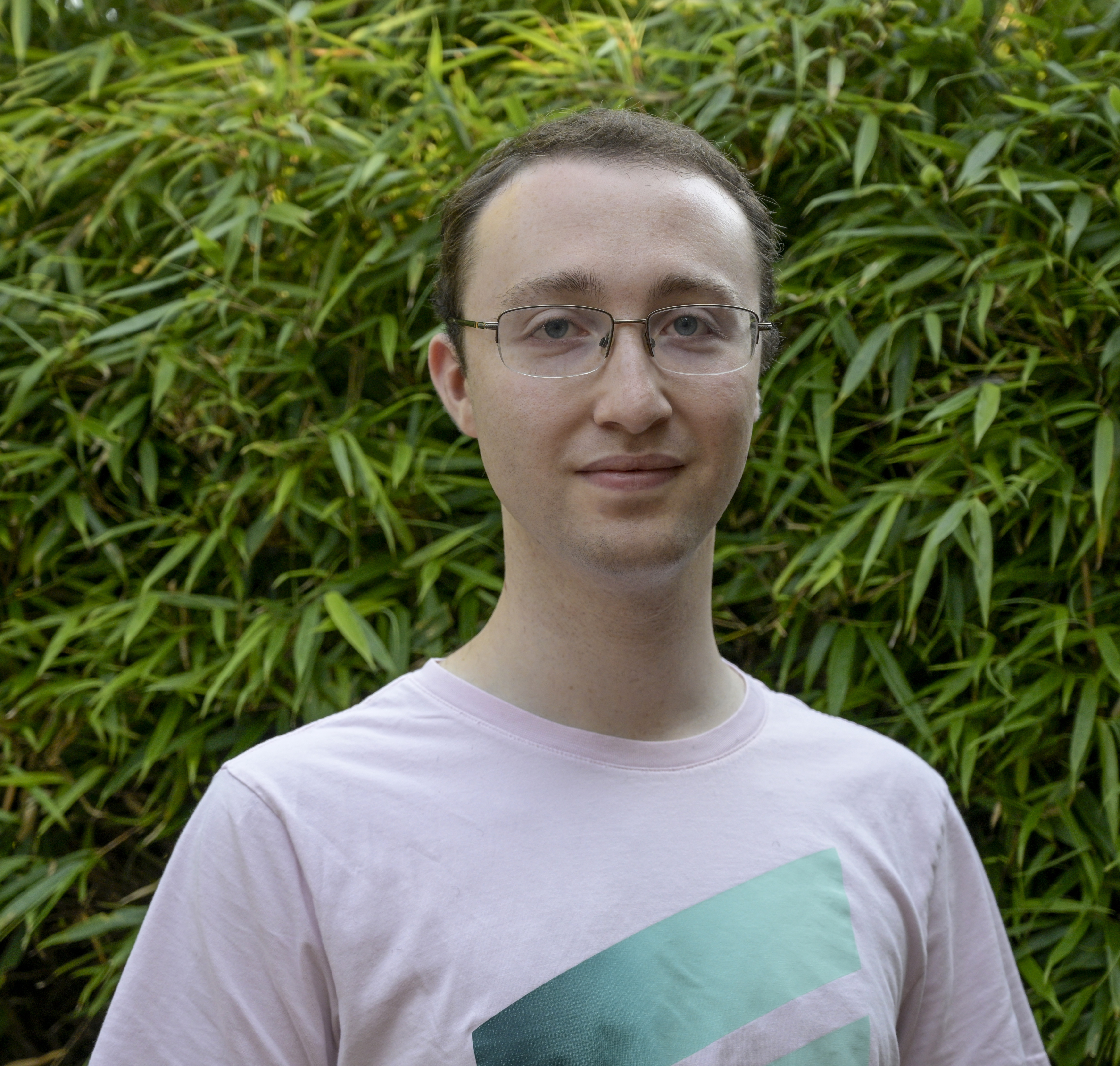
Dorian Kalir is a sixth-year graduate student at Syracuse University, advised by Josh Pollitz. His research uses homological, derived-categorical, and operadic methods to study algebraic structures on free resolutions and invariants of modules over local rings. In particular, he is interested in extending phenomena witnessed over complete intersection and Golod rings to more general rings and dg algebras. As an educator, he is passionate about creating welcoming and interactive classrooms and incorporates inquiry-based learning into his teaching. He has served as instructor of record for a variety of calculus courses, co-organized a weekly learning seminar for graduate students, and is excited to supervise an undergraduate directed reading program in Fall 26.
Profiles of postgrads on the 2026-2027 academic job market
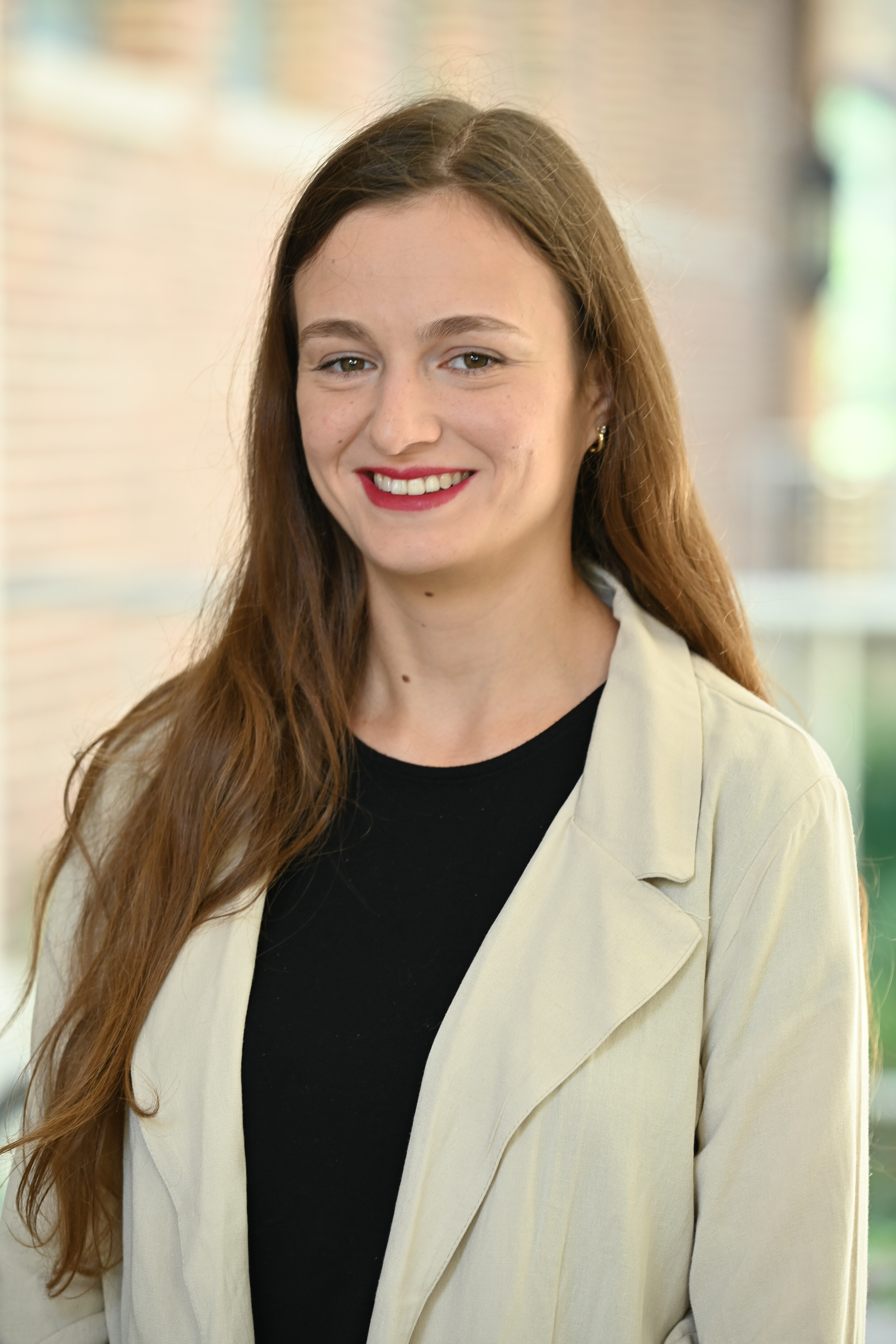
Alexandra (Sasha) Pevzner is a Zelevinsky postdoctoral fellow at Northeastern University, working with Harm Derksen. She received her Ph.D. from the University of Minnesota in 2024 under the advisement of Vic Reiner. She studies problems in invariant theory and algebraic combinatorics through the lens of commutative algebra. More recently, she has been branching out into Schubert calculus and interdisciplinary work in machine learning. Sasha enjoys teaching courses at a variety of levels (both graduate and undergraduate) and is particularly passionate about courses which transition students to formal mathematical thinking.
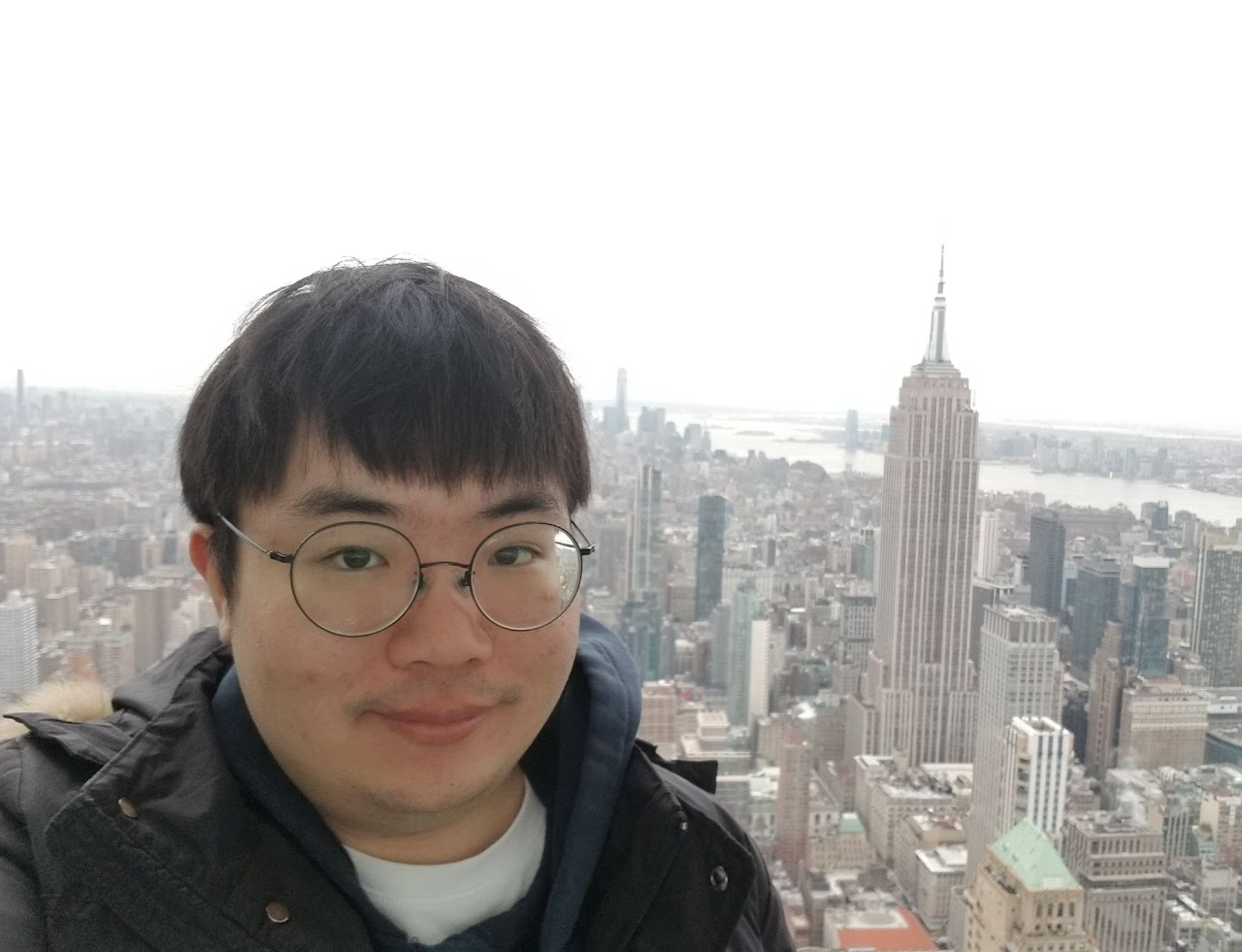
Seungsu Lee is a postdoc at the University of Michigan, working with Karen Smith. He got his Ph.D. at the University of Utah, where he was advised by Karl Schwede. Seungsu's research focuses on algebraic geometry and commutative algebra, with a particular interest in the singularities of varieties across arbitrary characteristics. Seungsu's ongoing work includes the behavior of the F-signature functions on the big cone (with Suchitra Pande), which explores how to extend the F-signature for big divisors on globally F-regular varieties when the section is non-Noetherian and tries to establish properties of the F-signature function along birational transformations. Furthermore, Seungsu is working on the test ideals on F-graded systems (with Anna Brosowsky and Karen Smith). Seungsu has taught a variety of courses, including intro (pre-calc, calc), upper-level (linear algebra, analysis), and grad commutative algebra courses. At the University of Michigan, Seungsu was awarded the Frederick Gehring Outstanding Postdoctoral Assistant Professor Teaching Award in Mathematics (2024- 2025), and at the University of Utah, he was awarded the University Teaching Assistantship Grant (2022 - 2023).
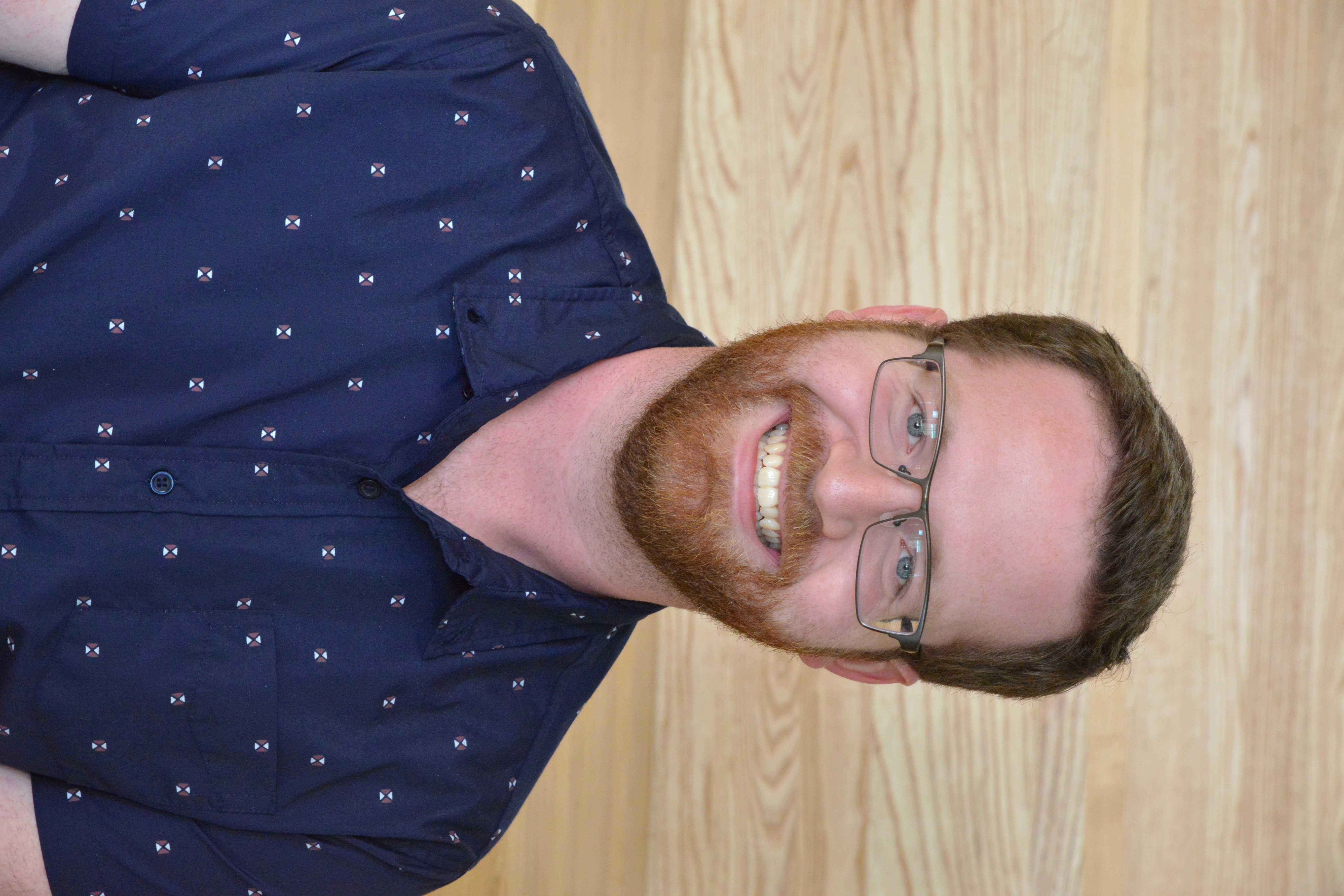
Sean Grate is a postdoc at Iowa State University working with Jason McCullough, following a PhD at Auburn University advised by Hal Schenck. He works across commutative algebra, algebraic geometry, and algebraic combinatorics, on questions motivated by enumerative combinatorics and approached largely through computation. His recent work centers on Betti numbers and Lefschetz properties of Artinian algebras, the homological properties of graded Möbius algebras, the regularity of toric varieties, and the combinatorics of the stable Tamari lattice. He has taught across the undergraduate curriculum, from calculus recitations to linear algebra and a 250-student business math lecture as instructor of record, using active-learning strategies throughout. He also works on course design and assessment, co-developing a graph-theoretic tool for measuring alignment between learning objectives and assignments, and mentors undergraduate researchers in Iowa State's ISMaRT program.
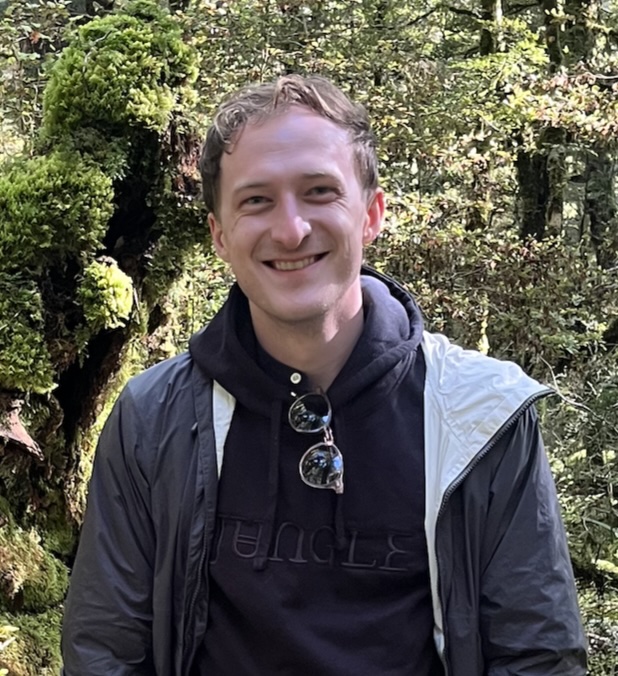
John Cobb is an NSF postdoc at Auburn University, working with Hal Schenck. He received his PhD from the University of Wisconsin–Madison in 2024 under the supervision of Daniel Erman and Michael Kemeny. His research lies in commutative algebra and algebraic geometry, with particular interests in multigraded syzygies, toric geometry, and Stillman-type uniformity questions. He also uses algebraic geometry to tackle computational problems in statistics, data science, and mathematical physics, developing both theoretical tools and open-source software in Macaulay2 and julia. He is excited to be currently teaching an algebra course, and has taught many flavors of calculus, especially the multivariable sort, many times. He has mentored undergraduate research, helped lead a directed reading program for many years, and is proud of once codesigning an algebraic geometry themed beer label sold around Madison, WI.
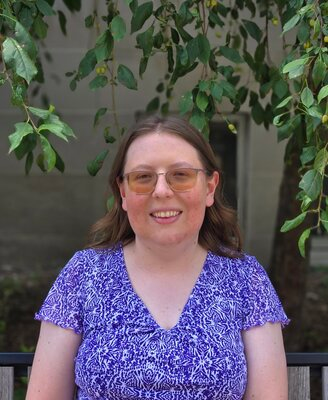
Anna Brosowsky is a postdoc at the University of Nebraska-Lincoln, working with Jack Jeffries. She got her Ph.D. in 2024 at the University of Michigan, where she was advised by Karen Smith. Her work is in commutative algebra and algebraic geometry, with a particular focus on singularities in prime characteristic. Recent and ongoing projects include computing the limit F-signature for 3 weighted points in P^2 (with Coskun, Pande, and Tucker) and investigating how operations on a Cartier algebra alter the corresponding test ideal (with Lee and Smith). She has taught a variety of courses, from Calculus 1 to a topics course for PhD students. These include two different project-based courses where students apply their mathematical skills to a question of interest, culminating in a presentation and report.
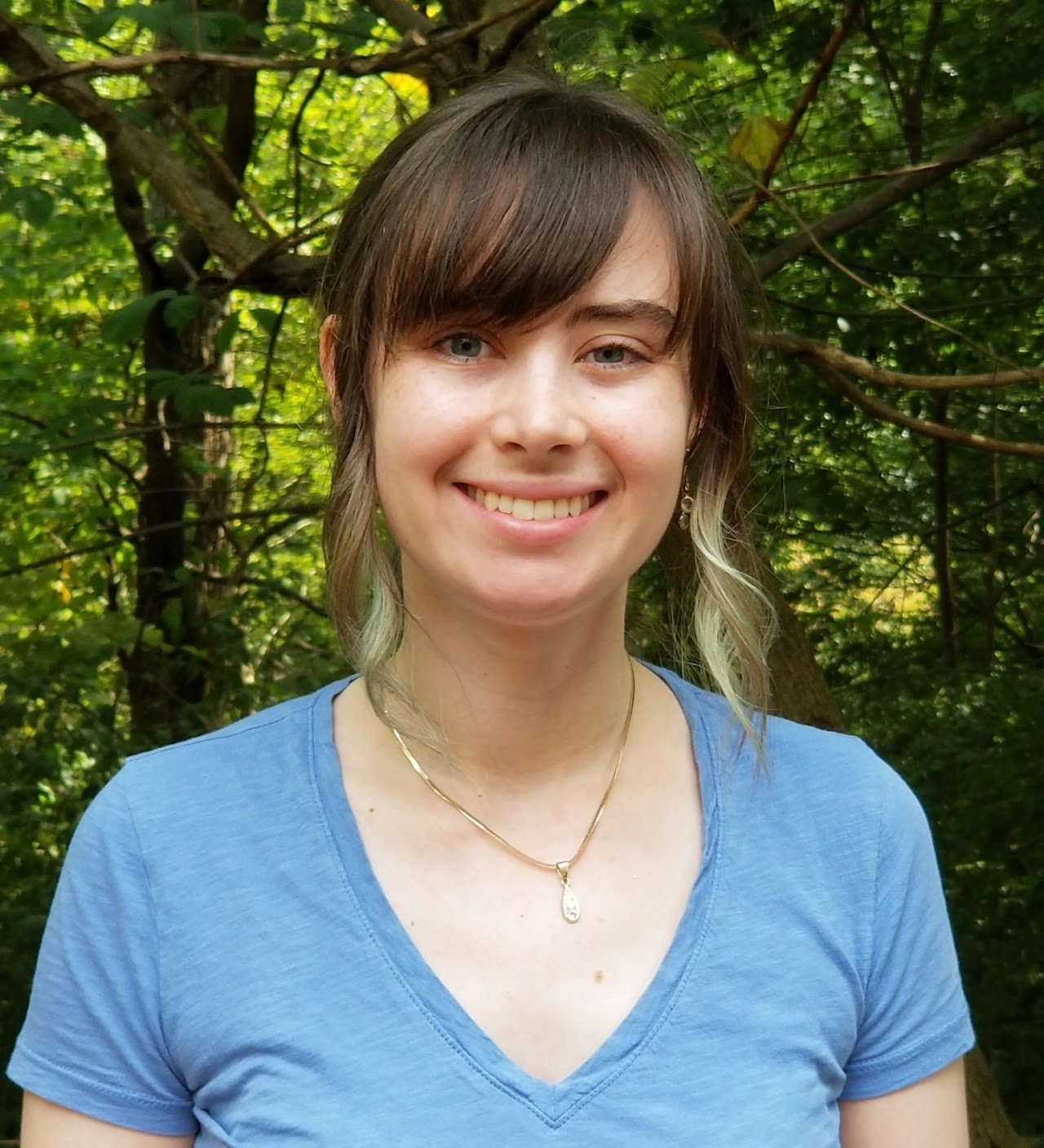
Olivia Strahan is a postdoc at University of New Mexico, working with Janet Vassilev. She got her PhD from University of Michigan in 2025, where her advisor was Karen E. Smith. Olivia's research is in mixed-characteristic combinatorial commutative algebra. In recent work with Mel Hochster, Olivia develops the theory of "t-Stanley-Reisner rings," the algebraic invariants of which can be described in terms of topology. This connection is particularly nuanced in the mixed characteristic setting. Her ongoing projects include characteristic dependency in discrete Morse theory (with Janet Vassilev) and development of an appropriate analogue of D-module theory for t-Stanley-Reisner rings (with Lance Miller). She has a wide range of teaching experience, including course coordination and instructorship for calculus, linear algebra with applications, and discrete structures.
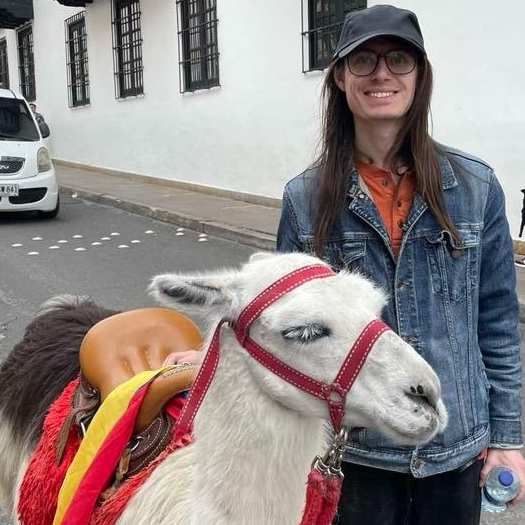
Jake Kettinger (left) is a postdoc at Colorado State University, working with Chris Peterson. His primary area of expertise lies in Algebraic Geometry and Commutative Algebra and their intersection with Combinatorics, Number Theory, and Discrete Dynamical Systems. More precisely, he is interested in configurations of points, lines, and planes in projective space and their blowups, and various algebraic objects arising therefrom, such as groupoids, symmetry groups, and symbolic powers of ideals. His interest in the connections between Algebraic Geometry, Number Theory, and Dynamics lies in studying the dynamics of the iterated Hesse derivative on cubic curves, and in generalizing the concept of Lattès maps to higher genus curves. Jake Kettinger got his PhD at the University of Nebraska‐Lincoln under the guidance of Brian Harbourne. Jake has taught a wide range of undergraduate classes, including Number Theory, Data Science, Combinatorics, Differential Equations, and Linear Algebra; he also has experience using Active Learning strategies and implementing Standards-Based Grading in small courses, and experience coordinating large courses.